THE BEST ENGINEERING SOLUTIONS DON'T ALWAYS REQUIRE DEMOLITION

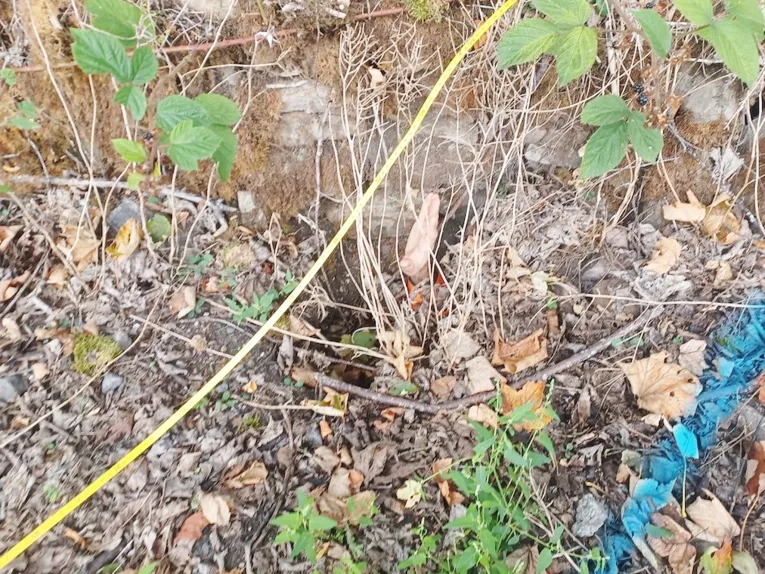
When defects appeared within the highway verge above Keldheads Flue in North Yorkshire, investigations uncovered a forgotten piece of industrial heritage hidden beneath the road.
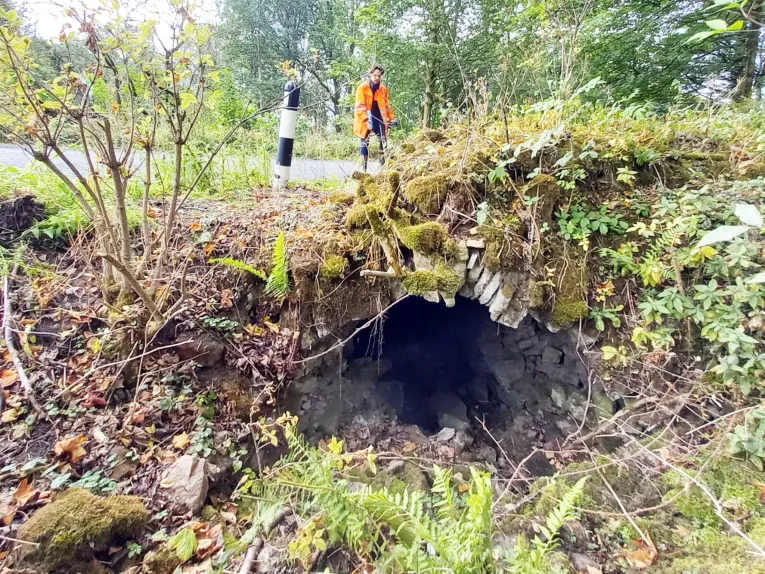
Originally constructed to serve the local mining industry, the centuries-old drystone masonry flue had later been repurposed as part of the highway drainage network. Its existence was not identified within highway records until the appearance of surface defects prompted further investigation.
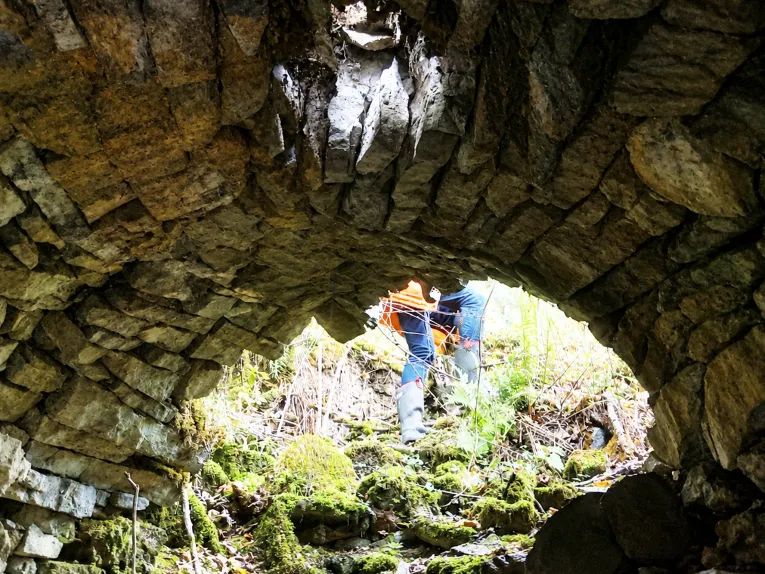
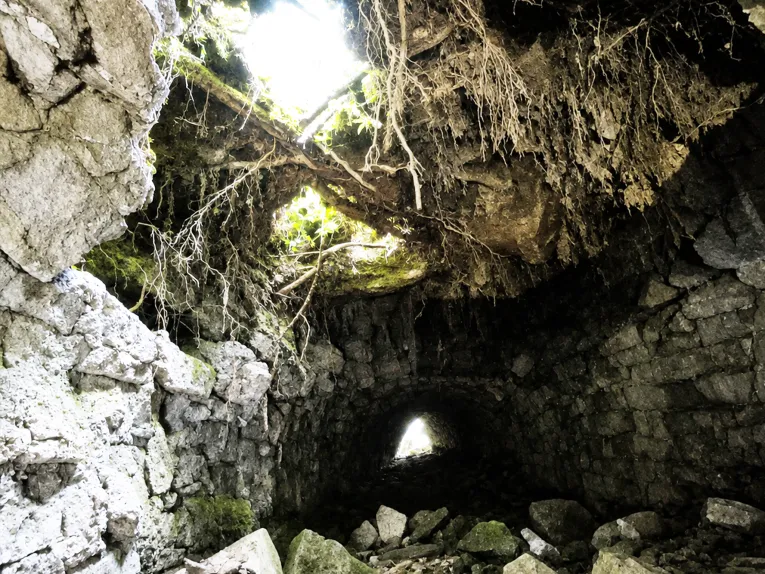
Structural inspections by North Yorkshire Council revealed a partially collapsed masonry arch that had suffered centuries of deterioration, deformation and overloading from modern traffic far beyond anything it was originally designed to withstand.
With the structure presenting a risk to highway users, conventional engineering solutions pointed towards demolition or replacement.
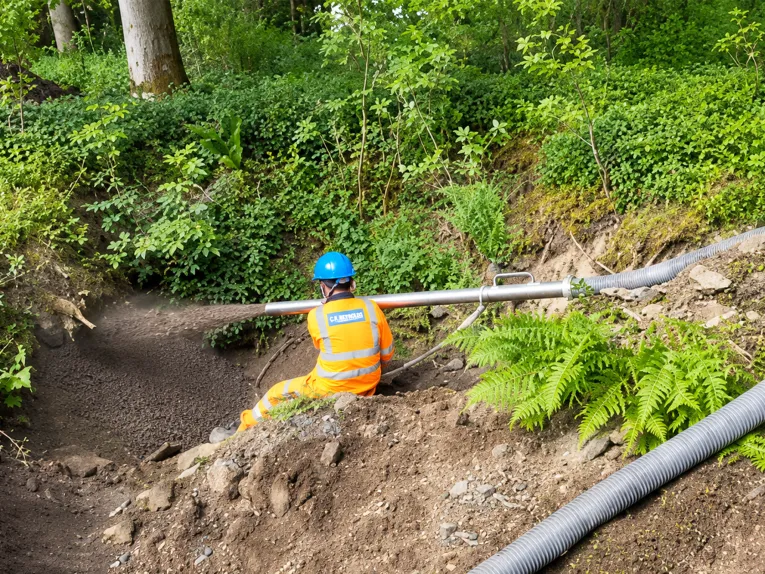
Instead, North Yorkshire Council challenged the traditional approach, developing an innovative solution using pneumatically installed Leca Lightweight Aggregate (LWA) to stabilise the structure, preserve an important piece of local industrial heritage and minimise environmental impact.
FACTS
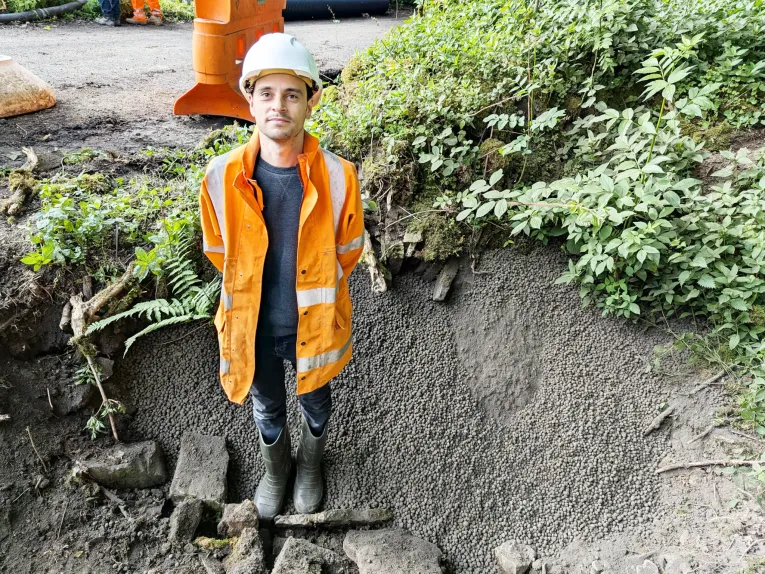
Material: LECA LWA (10-20mm)
Interesting Fact: Keldheads Flue remained undiscovered in highway records until defects appeared in the road surface. What began as a routine highway inspection uncovered a centuries-old mining structure hidden beneath the carriageway.
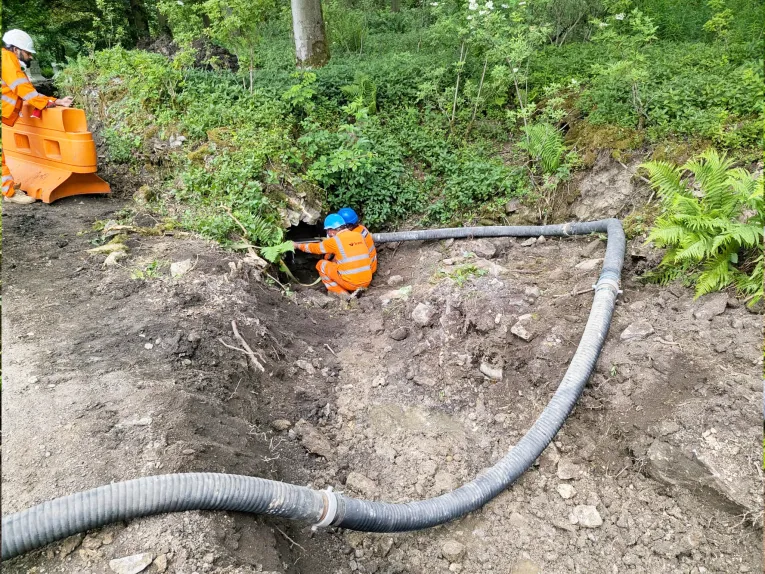
Delivery Method: Pneumatic Delivery
Main Contractor: CR Reynolds Ltd
Client and Designer: North Yorkshire Council
Discovering Highway Defects Absent from Highway Records
When highway defects appeared above Keldheads Flue, North Yorkshire Council initially believed they were investigating a routine highway failure. Instead, engineers uncovered an undocumented piece of industrial infrastructure with a far more complex history.
Originally constructed as part of the local mining industry, the masonry flue had, over time, been repurposed as a highway drainage culvert. Its existence was absent from highway records, meaning its condition remained unknown until a partial collapse beneath the carriageway triggered a detailed structural inspection.
James Walker , Bridges Engineer at North Yorkshire Council who was the Designer and Project Manager, explains:
"The existence of the historic flue and its function as part of the highway drainage network was not identified from existing records and only became apparent following the appearance of highway defects and subsequent investigation."
What initially appeared to be a localised defect quickly developed into a multidisciplinary engineering challenge involving structural engineering, highways, contaminated land, ecology and heritage conservation.
Inspection revealed:
• A masonry arch that had partially collapsed within the highway.
• Significant deformation throughout the structure.
• Extensive loss of lime mortar.
• Failing abutments close to collapse.
• Historic utility installations that had damaged the arch.
• Potential lead contamination from historic mining operations.
• An active highway drainage function.
• A potential bat habitat requiring ecological consideration.
According to Walker,
“The poor condition meant the structure presented a risk to highway users. An indefinite road closure was not an option, so NYC implemented sub-standard structure management procedures and expedited the remedial works.”
Balancing Safety with Heritage
For many deteriorating structures, demolition would represent the simplest engineering solution.
However, this project required a more considered approach.
The wider mining complex is a Scheduled Monument and is an important surviving part of North Yorkshire's mining history. While the flue lies outside the Scheduling, engineers felt it was important to retain the structure, as it forms an important piece of the mines story. At the same time, excavation carried significant environmental risks due to heavy metal contamination still visible throughout the structure.
Walker explains:
"Any intervention needed to balance public safety with heritage conservation. The chosen approach therefore had to stabilise the highway, minimise disturbance to contaminated material, avoid further damage to the fragile masonry and retain as much of the original structure as possible."
Achieving this required close collaboration between highway engineers, conservation specialists, ecologists and the construction team.
Selecting the Right Engineering Solution
Several options were evaluated, including:
• Masonry repair.
• Structural strengthening.
• Complete demolition and infilling the excavation
• Each carried significant drawbacks.
Repairing the masonry would have exposed operatives to an unstable structure, while demolition would have required extensive excavation through contaminated material, significantly increasing programme duration, environmental impact and disposal costs.
Walker explains:
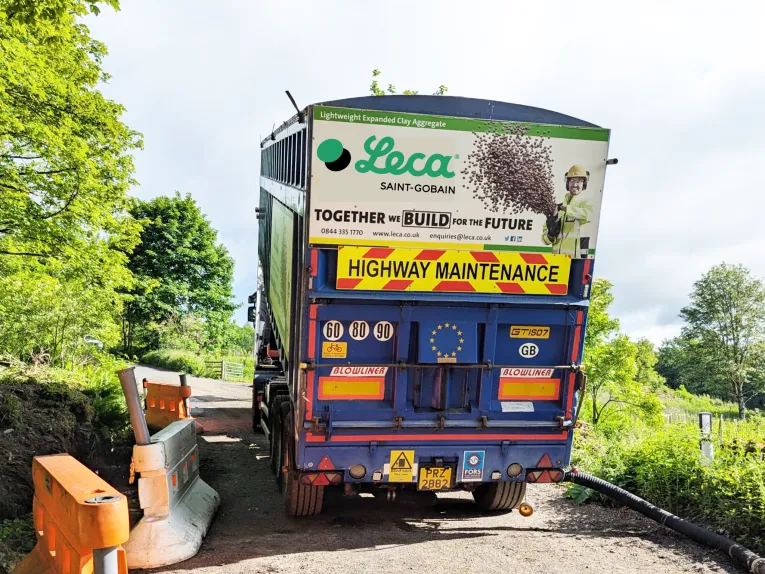
"The pneumatic installation method minimised these issues by allowing the aggregate to be placed with very little disturbance to the structure, reducing construction risk and programme duration."
Leca Lightweight Aggregate offered an alternative approach.
Its exceptionally low density provided sufficient internal support to stabilise the weakened masonry while avoiding the additional loading associated with conventional fills.
Because the material could be pneumatically installed, the flue was stabilised without dismantling the fragile structure or undertaking major excavation.
Programme Benefits
One of the most impressive outcomes was the speed of delivery.
Walker notes:
"Excavation and disposal of the existing structure and surrounding contaminated soil was avoided, resulting in the project being completed in little over one week."
The highway itself required only a three-day road closure while works were complete
The construction sequence also improved safety.
"We programmed the works so the flue was infilled as the first major activity. This reduced the health and safety risks associated with working in the vicinity of a failed structure when undertaking the subsequent drainage improvements and stonework activities."
This approach simultaneously reduced programme duration, construction risk and community disruption.
Long-Term Outcome
Rather than functioning as a drainage culvert, the historic flue has now become a preserved structure beneath the highway.
Surface water has been diverted into a new drainage system, protecting the masonry from continued deterioration while retaining its historic form.
Walker reflects:
"The project successfully reduced the risk of catastrophic collapse of the highway while preserving a significant historic structure that would otherwise have been lost."
Although no longer visible, the flue remains intact beneath the road, safeguarded for future generations.
Lessons for Future Infrastructure Projects
Perhaps the greatest significance of Keldheads Flue is what it demonstrates for future infrastructure schemes.
Walker concludes:
"The Keldheads Flue scheme demonstrates the value of considering preservation as a viable engineering option, even where demolition initially appears to be the simplest solution."
He continues:
"More broadly, the scheme demonstrates that preserving ageing infrastructure can often be achieved without compromising safety, programme or cost."
For engineers managing ageing bridges, culverts, tunnels and retaining structures, the project provides a compelling example of how modern lightweight engineering materials can preserve heritage assets while delivering resilient, safe and economically viable infrastructure solutions.
Downloads