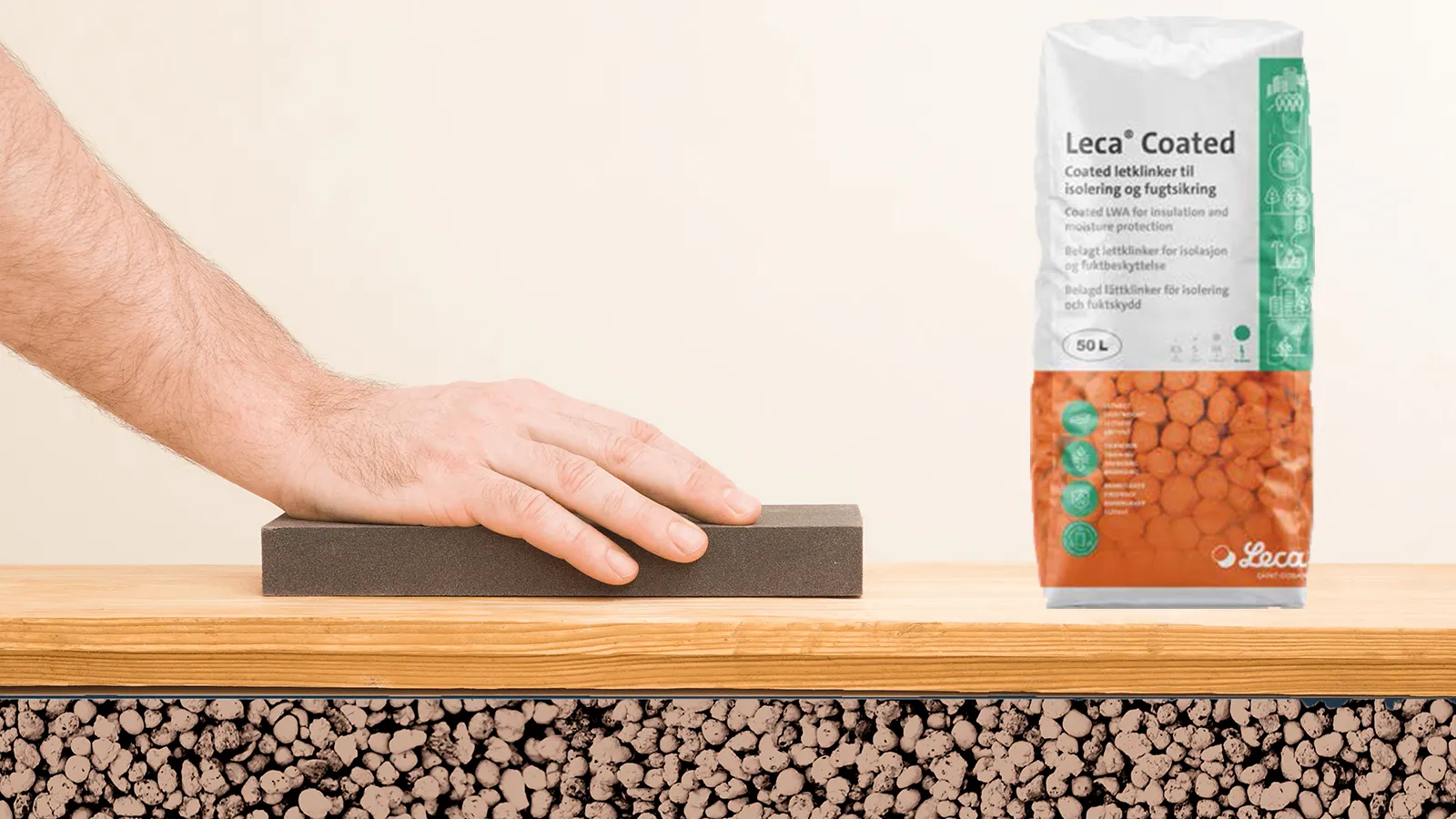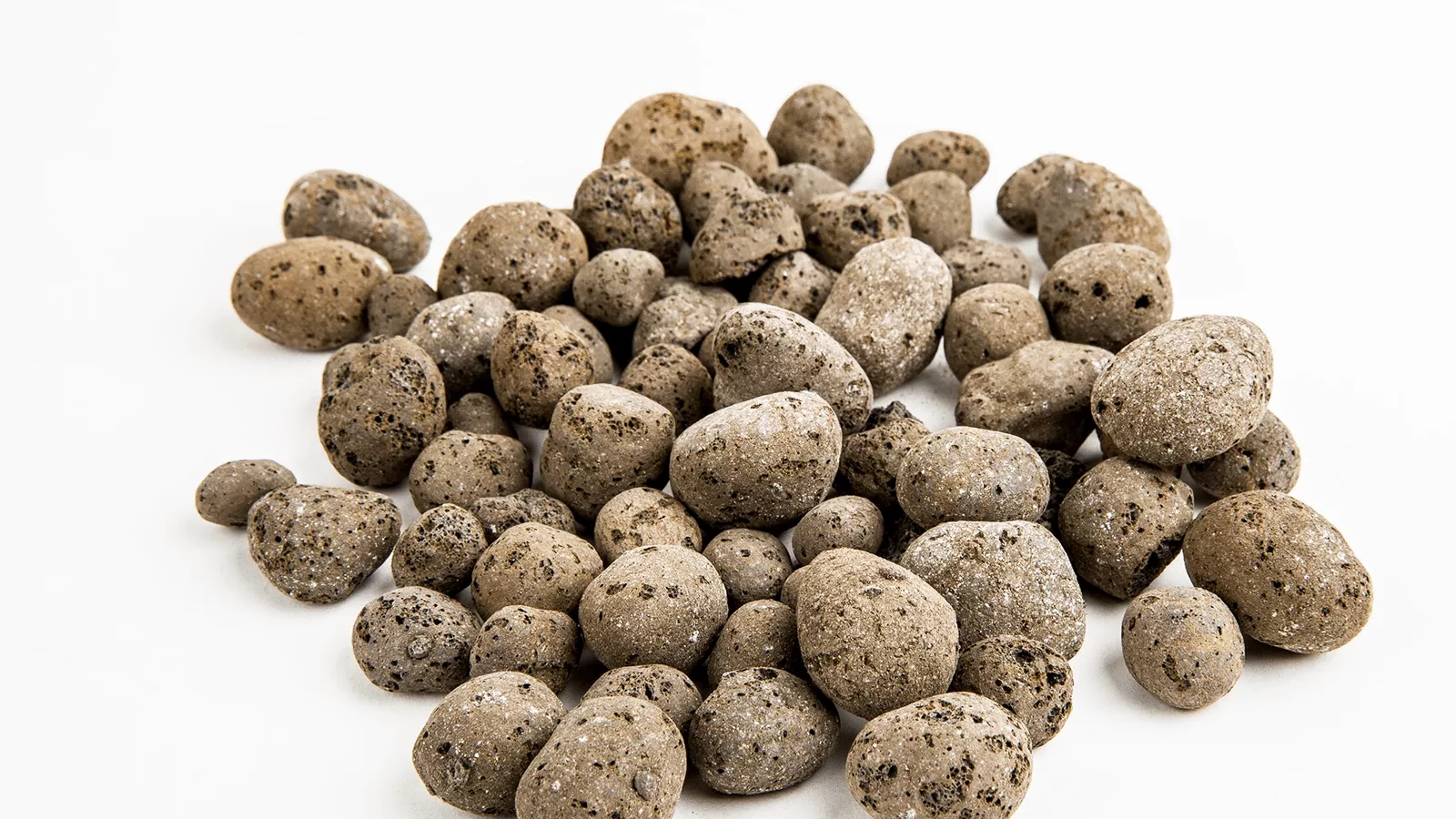
Leca® LWA with Geotextiles and Geogrid Systems
When engineers search for solutions for geotextile grids, geogrid retaining wall backfill, lightweight fill for soft ground, or drainage aggregate with geotextile separation, they are usually trying to solve the same core problem: how to build stable, durable ground structures without overloading weak or variable soils.
Leca® Lightweight Aggregate (LWA) offers a high-performance answer. When paired with geotextiles for separation, filtration and drainage, or with geogrids for reinforcement, it forms an engineered system that improves stability, reduces settlement and supports long-term drainage performance.
For projects involving retaining walls, embankments, bridge approaches, cuttings, podium landscapes or infrastructure on poor ground, the combination of Leca® LWA + geotextile or geogrid systems can deliver a lighter, more resilient alternative to traditional fill.
Why Use Leca® LWA with Geotextiles or Geogrids?
Leca® LWA is a lightweight expanded clay aggregate used in structural and geotechnical applications where reducing ground pressure, improving drainage and managing settlement are key design priorities.
Used together, Leca® LWA and geosynthetic systems help to:
• reduce ground pressure on soft or variable soils
• stabilise embankments, retaining walls and cuttings
• improve filtration and drainage in water-sensitive ground
• minimise differential settlement near structures and transitions
• improve load distribution where traditional aggregate is too heavy
• increase the durability of the overall geotechnical build-up
• speed up installation on restricted or access-limited sites
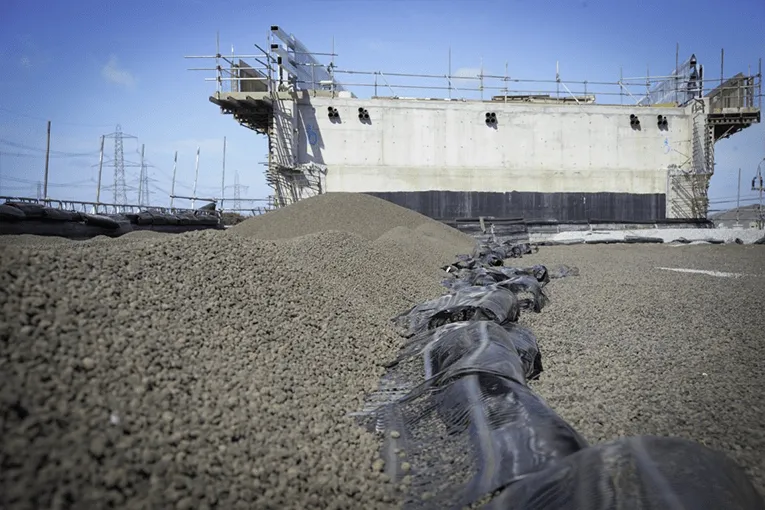
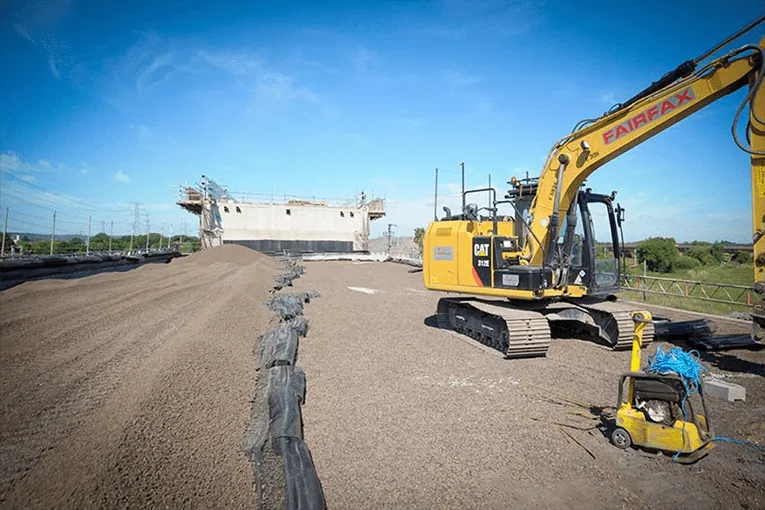
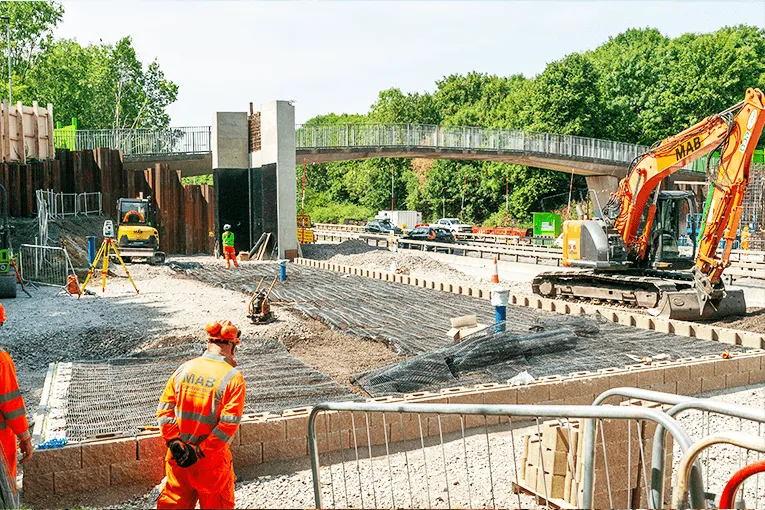
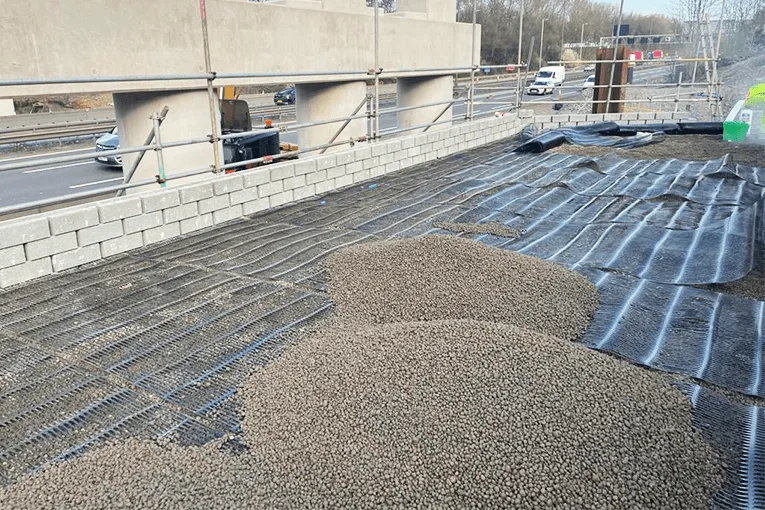
What Is the Difference Between a Geotextile and a Geogrid?
Although people often search for geotextile grids, the term usually covers two different geosynthetic functions:
Geotextiles are typically used for:
• separation
• filtration
• drainage
• protection
Geogrids are typically used for:
• reinforcement
• load distribution
• improving tensile interaction within fill and soil
In practice, many projects benefit from both. A geotextile can separate Leca® LWA from surrounding soils and stop fines migration, while a geogrid can provide reinforcement where higher shear resistance or structural integrity is needed.
Load Reduction for Retaining Walls and Soft Ground
One of the main reasons to specify Leca® LWA is its low density. Compared with traditional fill materials, it can reduce vertical and horizontal loads by up to 75%, which is especially valuable behind retaining walls, over buried structures and on soft or variable soils.
This load reduction can help to:
• reduce lateral pressure on retaining walls
• lower the risk of sliding, tilting and bearing failure
• decrease settlement in weak ground conditions
• support leaner structural design
• reduce stress on adjacent assets and buried services
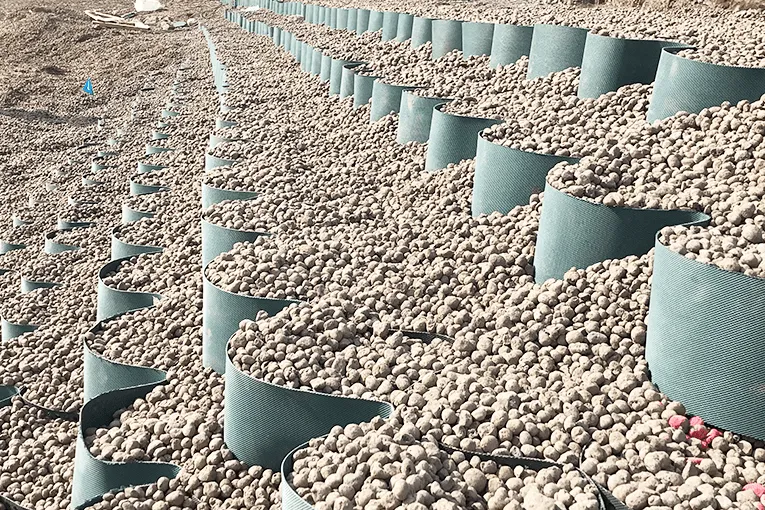
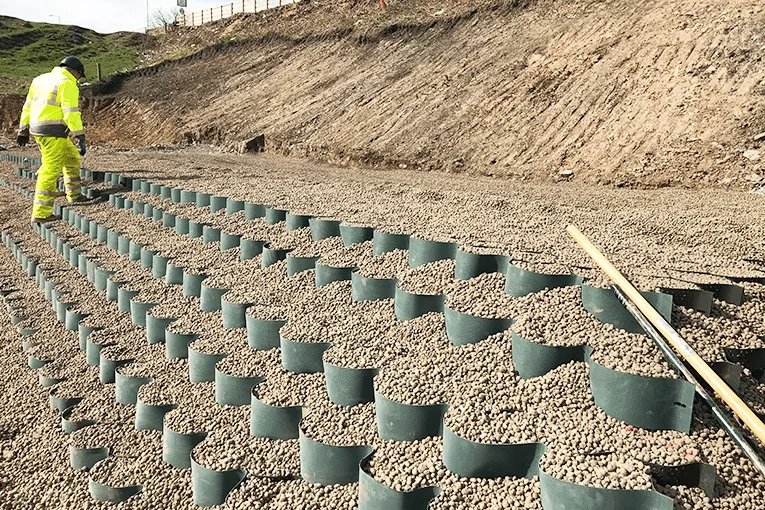
When combined with geotextile separation layers or geogrid reinforcement, the fill zone performs more uniformly, supporting improved stability and better long-term movement control.
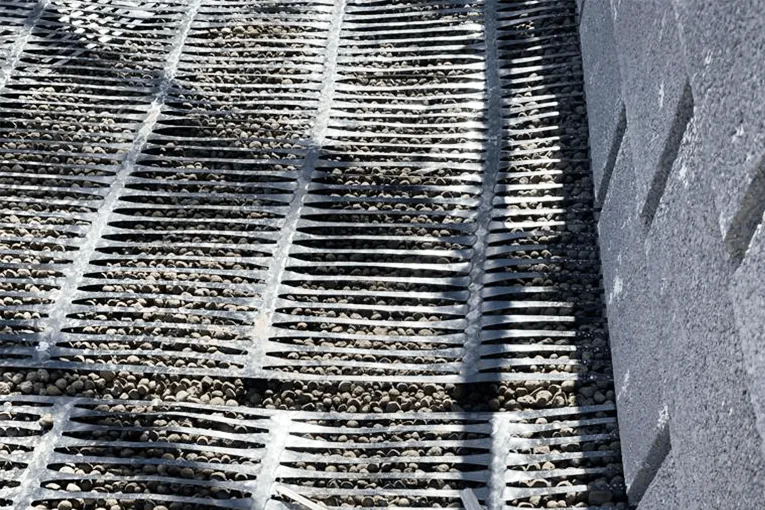
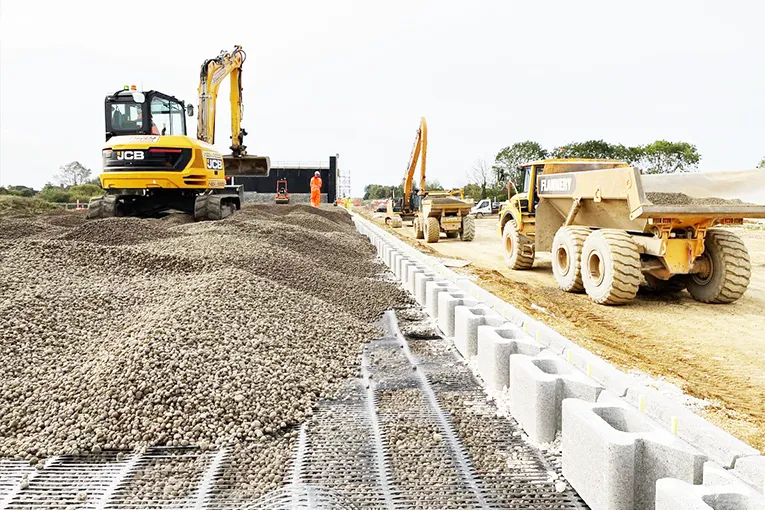
Separation and Filtration Performance
In drainage layers and foundation build-ups, maintaining permeability over time is critical.
A geotextile layer helps prevent surrounding fines from migrating into the Leca® LWA layer. This preserves the open structure of the lightweight aggregate and helps the system continue to perform as intended.
This is especially useful in:
• waterlogged sites
• soft subgrades
• retaining wall backfill zones
• embankments with mixed soils
• landscaped decks and podiums
The result is a cleaner, more stable interface between materials and more reliable long-term hydraulic performance.
Drainage Benefits of Leca® LWA and Geotextiles
Leca® LWA has an open internal structure that supports strong drainage performance. When used with a geotextile filtration layer, the system can improve both vertical and horizontal water movement while limiting clogging from soil fines.
This makes the combination well suited to:
• retaining wall drainage zones
• bridge abutments
• road and rail embankments
• cut slopes
• SuDS-adjacent applications
• landscape build-ups where weight and drainage both matter
Because the system is free-draining, it can also reduce reliance on heavier traditional drainage layers in some applications.
Geogrid Reinforcement with Lightweight Fill
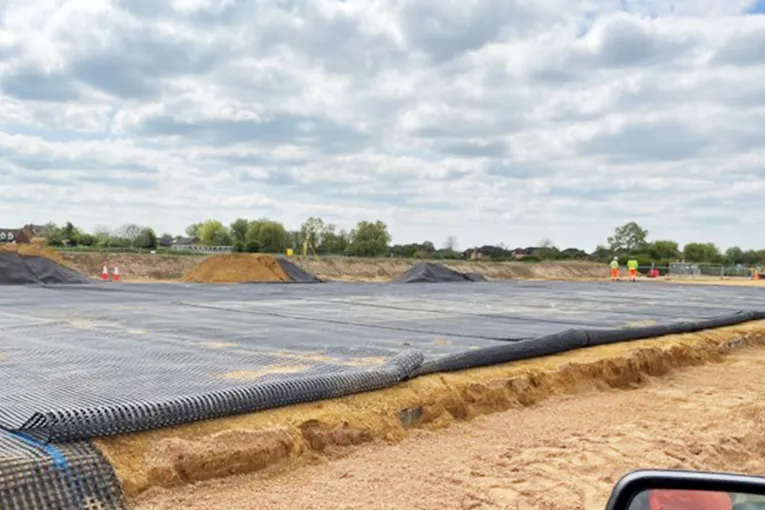
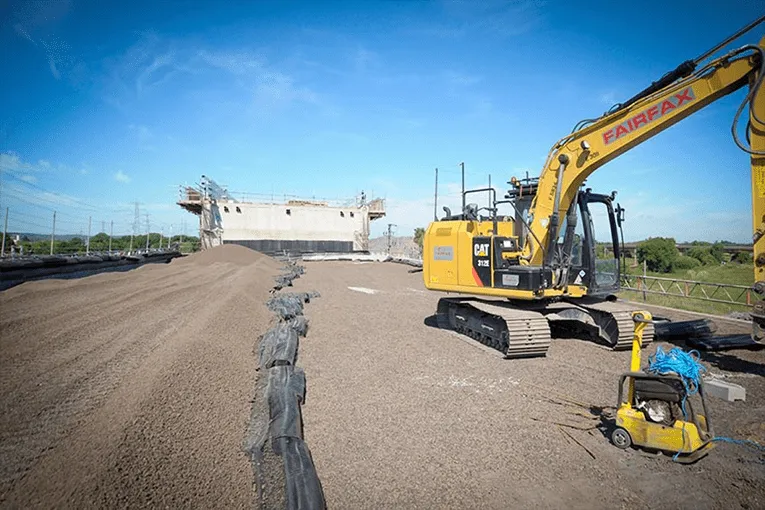
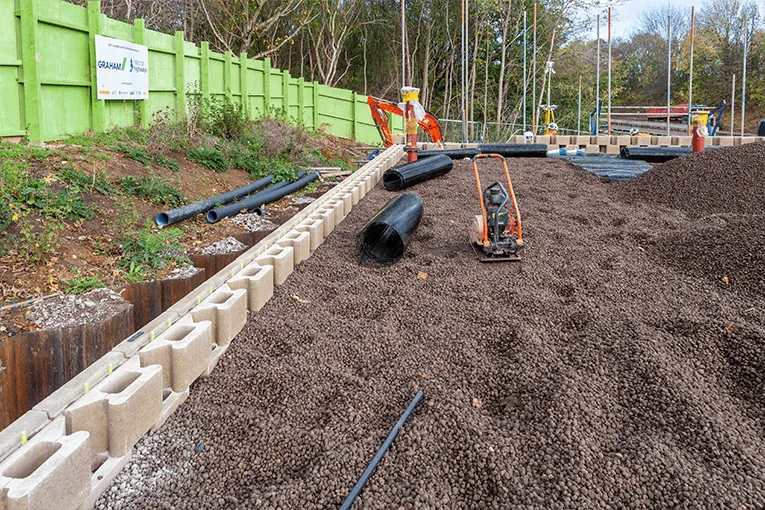
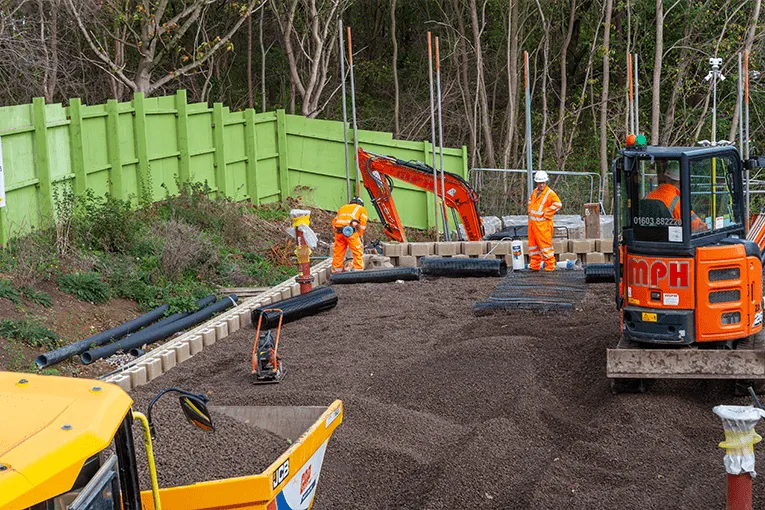
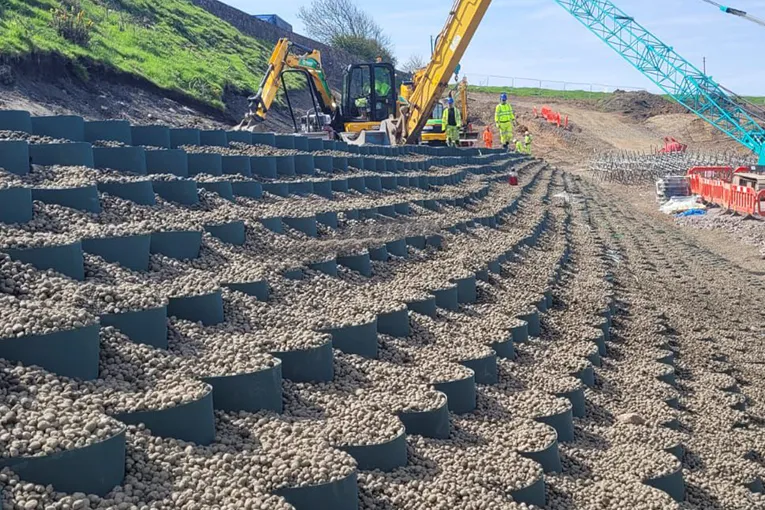
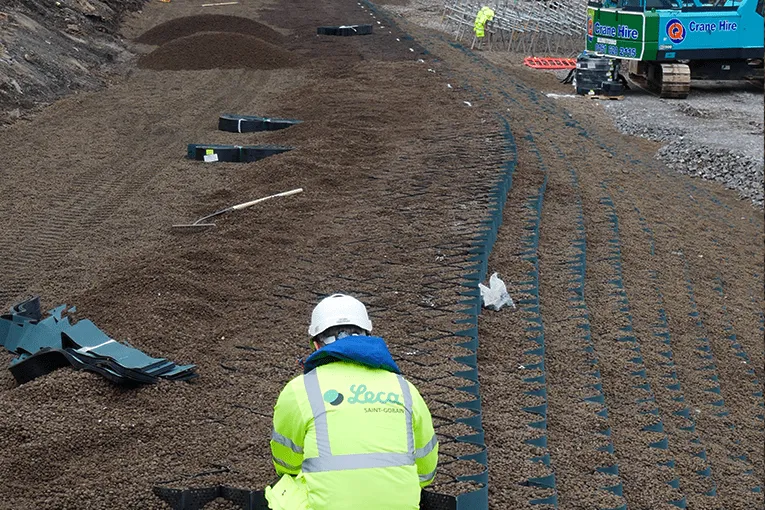
Where reinforcement is required, a geogrid + Leca® LWA system can improve overall structural behaviour while keeping loads low.
Typical uses include:
• reinforced soil slopes
• retaining structures
• embankments over weak ground
• bridge approach transitions
• fill over buried culverts or tunnels
The geogrid provides tensile reinforcement and improved load distribution, while Leca® LWA reduces the dead load acting on the structure and underlying formation. This combination is particularly valuable where conventional granular fill would impose too much pressure.
How Leca® LWA Helps Minimise Settlement
Settlement is one of the main design risks in geotechnical and structural earthworks, especially where there is a change in support conditions or a transition from one foundation type to another.
By replacing heavier fill with Leca® LWA, designers can reduce imposed loads and therefore reduce the potential for:
• total settlement
• differential settlement
• movement between piled and non-piled elements
• long-term deformation in soft ground
When combined with geotextiles or geogrids, the system also helps maintain separation and improve load sharing across the fill zone.
Durability and Long-Term Performance
Leca® LWA is:
• chemically inert
• rot-proof
• frost resistant
• dimensionally stable
When it is wrapped, separated or reinforced with geotextiles or geogrids, the full system is better able to maintain performance under variable environmental conditions.
That matters for projects where long service life, low maintenance and predictable performance are essential.
Typical Applications for Leca® LWA with Geotextile Grid Systems
Retaining Walls
Reduce lateral load on the wall, improve drainage and support more efficient wall design.
Embankments on Soft Ground
Lower fill weight, reduce settlement risk and improve reinforcement performance.
Bridge Abutments and Approach Zones
Minimise differential settlement between structures and embankment fill.
Cuttings and Slopes
Provide a stable lightweight fill zone with filtration and reinforcement where required.
Landscaped Structures and Podiums
Reduce dead load while preserving drainage and protecting waterproofed systems.
Buried Structures and Sensitive Assets
Limit load above culverts, tunnels, basements and utilities where traditional fill may be too heavy.
Why Architects and Engineers Specify Leca® LWA with Geosynthetics
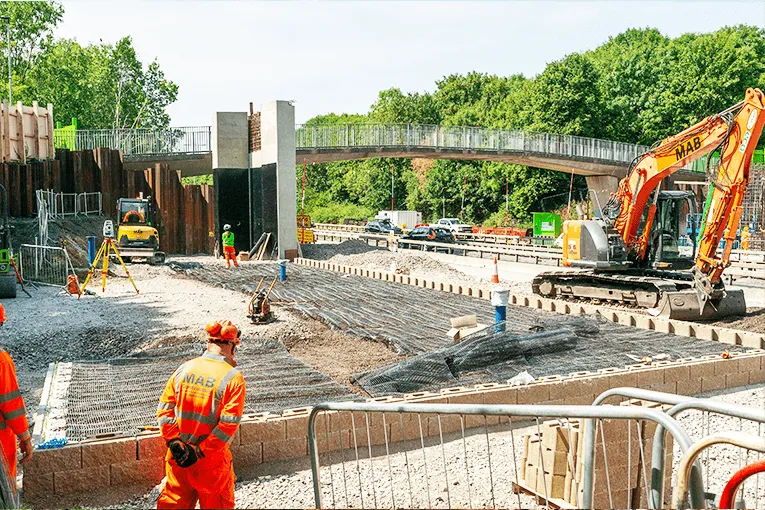
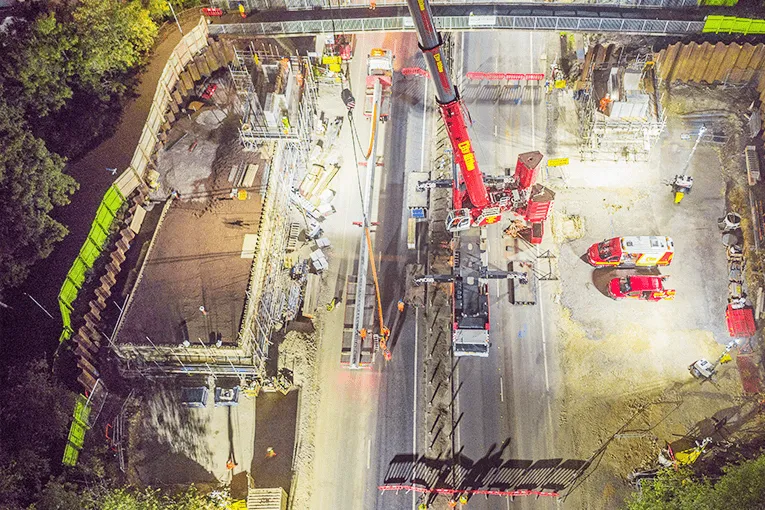
For architects, the value often lies in making challenging sites more buildable while reducing structural demand and preserving design flexibility.
For civil and geotechnical engineers, the value is more technical:
• lower vertical and lateral loads
• better drainage control
• more stable interfaces between fill and soil
• reduced settlement risk
• easier construction sequencing on constrained sites
Together, Leca® LWA and geotextile or geogrid systems create a practical, durable and highly engineered solution for projects where weight, water and ground movement all need to be managed together.
Frequently Asked Questions
Is Leca® LWA suitable behind retaining walls?
Yes. It is commonly used where reducing lateral and vertical load is important, particularly when compared with conventional fill.
Can Leca® LWA be used with geogrids?
Yes. Geogrids can provide reinforcement, while Leca® LWA reduces dead load and improves drainage performance.
Do geotextiles help with drainage?
Yes. Geotextiles act as filtration layers, helping prevent fines migration while allowing water to pass through the system.
Is this system useful on soft ground?
Yes. The lower weight of Leca® LWA makes it particularly useful on soft, compressible or variable soils where settlement control is important.
What projects is it best suited to?
Retaining walls, bridge abutments, embankments, slopes, podium landscapes, buried structures and infrastructure built on weak ground.
Conclusion
If you are searching for a high-performance solution for geotextile grids, lightweight retaining wall backfill, geogrid embankment systems or drainage aggregate for soft ground, the combination of Leca® LWA with geotextiles and geogrids offers a strong technical case
It reduces load, improves drainage, supports reinforcement, limits settlement and helps create more durable geotechnical systems across a wide range of structural and civil engineering applications.
Need a lightweight geotechnical solution for retaining walls, embankments or soft ground? Contact us to discuss specifying Leca® LWA with geotextile and geogrid systems.
Related Downloads
Further Geotechnical Areas



Related Products
We have specific products to meet your design requirements